A First Person Perspective On The Evolution Of Graphic Design For Print
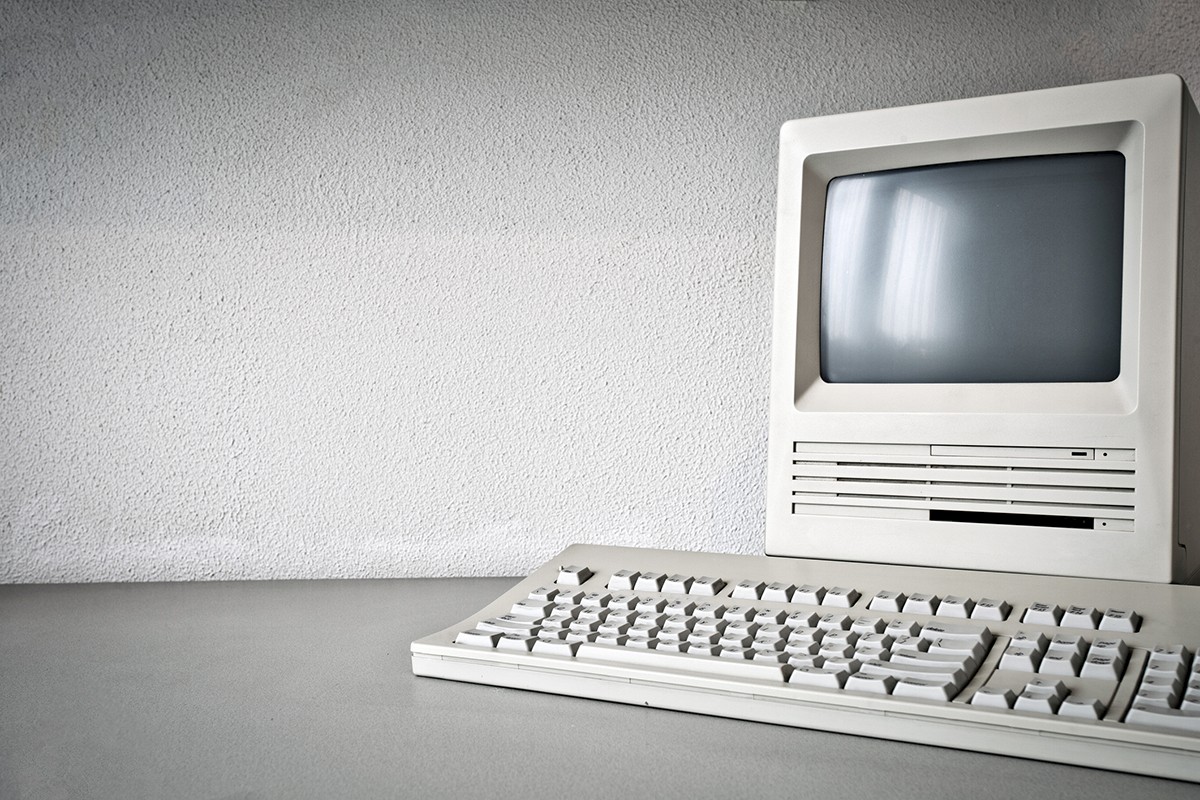
When I first started working as a Graphic Designer computers were only just starting to replace tradtional methods of production. I have some vague memories of creating camera ready artwork using letraset and pasting printed columns of black text by hand onto sheets of paper and card. We left placeholders for pictures and instructions in pencil as to what photo went where. The precise cropping of the photos was in general left to the mercy of the printers as far as I remember.
Colours for the various elements and text were specified with pantone numbers. Fancy effects like halftones and backround patterns and the like were specified also in pencil and talked through with the printer. In those days the realtionship between the graphic designer and the printer was a pretty important one. There were pitfalls to be avoided and miscommunications could result in unwanted results.
I worked in a screenprinters in Plymouth in England for a time and this was a real eye opener and gave a proper behind the hood look at the whole printing process. I had to create the artwork by hand on sheets of clear acetate (clear film) using a mixture of a Rotring pen for fine detail, black permanent markers for filling in sections and lettering printed by an old computer onto clear film and cut and pasted (literally) into place.
Each new colour was created on a new layer of acete and taped on top of the previous layer. Registration marks were drawn by hand on each new layer. The seperate sheets of film were photographed and imprinted onto mesh screens. A seperate screen was prepared for each colour. These screens were attached to a carousel and ink was pulled down each one onto the t-shirt being printed. The employee moved the carousel with the t-shirt round to the next person who printed the second colour and so on.
All of this knowledge was great in that it gave me an understanding into what was going on in the printing process and made a lot of things easier to understand when computers started to take over more and more in the workplace.
My first job in London in London in 1993 was the first time for me that the entire graphic design process was handled by computers. If you wanted of course you could do some mock ups and sketches by hand and in fact I still do this today just to stay fresh and get away from the screen, but by and large most people now were using the Macintosh computer to both design mock ups and prepare finished artwork. By todays standards the processing speeds were painfully slow and after basic tasks and saves, etc you were accustomed to waiting for the blue bar to travel to the other side of the screen to complete the task.
Employees would chat and have a laugh while waiting for graphics to render.
Software of the day was dominated by QuarkXpress and Pagemaker, but mainly Quark. I liked Quark, it was a great program and really intuative, but Adobe InDesign took over fairly suddenly about 10 years later not through any great software innovations but mainly by clever marketing and bundling the software with it’s sister products that were essential to the artwork process. I have come to like Indesign, but the real secret weapon for me is Adobe Illustrator. In my opinion this separates the wheat from the chaff in the world of designers. The program does not rely on pixels but instead creates artwork with vector curves. It takes some time and effort to master the way these work but well worth the effort as it then enables you to create beautiful scalable graphics and logos that appear razor sharp at any size.
After this until the current day the landscape has remained largely similar but as well documented the next ship on the horizon is a fairly large one that we look pretty powerless to stop. AI is advancing towards all areas of the workplace and graphics is no different. How we deal with it and remain a part of the process is anybodys guess but it seems pretty clear that things are going to change beyond recognition. The question for most of us is when?